
Texas Estate Fraud Attorney
 Estate fraud is the illegal misuse of a deceased person’s assets, often preventing rightful heirs from receiving their inheritance. This fraudulent activity typically happens during the probate process, where individuals might misuse their positions to commit fraud through executor misconduct, forged documents, or undue influence.
If you suspect estate fraud is affecting your inheritance, act quickly. Ford + Bergner, LLP is ready to provide legal assistance. With extensive experience in estate litigation, our team is committed to protecting your interests and ensuring justice is served.
Contact us today at 713-260-3926 to discuss your situation and explore your options for safeguarding your inheritance.
Understanding Estate Fraud
Estate fraud is a deceptive tactic to misappropriate estate assets, often occurring during the probate process when the deceased’s wishes are carried out. This type of fraud can prevent rightful heirs from receiving their intended inheritance and create a legal mess for families.
Mismanagement by estate representatives can lead to significant financial losses for beneficiaries, holding these representatives liable for any losses. Common wrongful acts include making false statements to influence the deceased’s estate planning or submitting fake documents. Examining the involvement of individuals connected to the deceased in preparing a will can uncover potential malicious intent.
When probate fraud is suspected, reporting to law enforcement becomes necessary to address these fraudulent actions and protect the estate.
Common Types of Estate Fraud
Estate fraud can show up in different ways, each threatening the fairness of the probate process. Common types include executor fraud, forged documents, and undue influence, each with its own methods and effects.
Frequent or unexplained changes in ownership papers, missing or incomplete paperwork, and strange financial transactions can all hint at fraud. Suspicious actions from executors or beneficiaries, like refusing to share information, might also indicate fraudulent behavior. These signs and types of fraud can help you protect your estate assets effectively.
Executor Fraud
 Executor fraud happens when someone abuses their control over an estate for personal benefit, breaking the trust given to them. The main reason behind such acts is often financial gain, leading executors to misuse estate resources for themselves. This can include using estate money for personal expenses, which can greatly reduce the estate’s value and may lead to those executors being accused of fraud.
The effects of executor fraud can be significant, with some estates losing hundreds of thousands of dollars due to such abuses. Dealing with executor fraud involves spotting transaction errors and understanding fiduciary duties. Executors should act in the best interests of the beneficiaries, so any deviation from this duty needs immediate investigation and legal action.
Forged Documents
Forged documents are a harmful form of estate fraud, involving fake wills or trusts submitted after the testator has died. Forging documents or signatures clearly shows fraudulent intent, complicating the probate process and the validity of probate documents since the deceased cannot contest these documents.
Even those close to the deceased may have trouble spotting forged documents. This complexity is worsened by the need for beneficiaries and heirs to prove the forgery’s authenticity. Misrepresentation or false statements that lead a testator to change their estate plan can also result in probate fraud litigation.
Undue Influence
Undue influence involves manipulating the testator by someone with access to them, forcing them to sign documents that benefit the influencer. This type of fraud often involves subtle and clever deception, making it hard to detect and prove.
The emotional and legal challenges of undue influence are significant, as they often involve close relationships where one person exploits their position to manipulate another. Dealing with undue influence involves understanding the relationships and having a firm grasp of estate law.
What Should You Do if You Suspect Estate Fraud?
Act quickly if you think estate fraud is happening. Start by contacting a skilled Texas estate fraud attorney, an attorney can help you understand probate fraud and protect your inheritance. Waiting too long can risk your claims and cause fraudulent actions to continue.
Spotting Warning Signs
Being able to spot warning signs of estate fraud is important for taking quick action. Misleading information or lies about estate assets often suggest fraud. Any actions that benefit the executor or another beneficiary at the expense of others are also major warning signs.
Fake documents can lead to legal fights over inheritance, making estate management more difficult and delaying the fair distribution of assets. Using a person’s assets for personal gain due to fraud or undue influence is a breach of fiduciary duty, so beneficiaries need to be alert.
Executor fraud and undue influence are warning signs that should lead to an immediate investigation. Knowing these signs can help you protect your inheritance and take the right legal steps.
How to Collect Evidence
 Your probate fraud lawyer can advise you on how to document interactions with people involved in the estate. Forensic accountants can be very helpful in reviewing financial records to find discrepancies that suggest fraud. Their skills can help verify transactions and uncover wrongful acts.
Careful review of evidence is necessary before taking legal action against suspected fraud. Witness statements and reporting to law enforcement might also be needed to ensure justice is served.
Legal Recourse for Victims of Estate Fraud
If you’ve been wronged by estate fraud, there are several legal steps you can take:
- You can file a lawsuit to recover any losses you’ve suffered.
- Beneficiaries have the option to sue for breach of fiduciary duties and possibly get back assets that were fraudulently transferred.
- Wrongdoers can face punitive damages, which serve to punish and discourage future misconduct.
Families can file a ‘Surcharge Action’ lawsuit if an executor or guardian misappropriated estate funds. Judges have the authority to remove those who commit fraud and order them to repay any damages.
Injunctive relief can stop further misuse of estate assets while the case is ongoing. The court may require bonds from guardians and administrators to safeguard estate assets. Criminal prosecution can hold offenders accountable and deter future fraudulent activities.
Contact Ford+Bergner for Experienced Estate Fraud Representation
Ford+Bergner LLP is experienced in handling estate fraud cases, having successfully dealt with many instances where executors or guardians have misused funds. Our team is skilled at uncovering wrongful acts and fraud and using forensic accountants to carefully examine financial records and find any irregularities. This thorough approach helps us prove fraudulent activities and hold those responsible accountable. We know how stressful and harmful estate fraud can be and are committed to offering a full range of services, from spotting warning signs to taking legal action.
Don’t leave your inheritance to chance. Trust our Houston estate fraud lawyers to defend your interests with care and honesty. Contact us today at 713-260-3926 and let our team guide you through estate fraud issues to ensure your legacy is preserved.
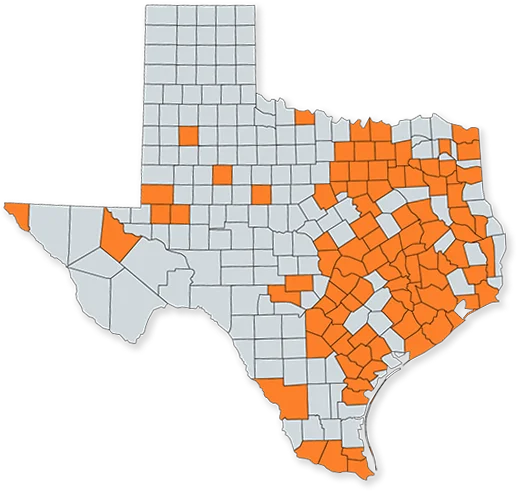
We serve clients throughout Houston, Dallas, and Austin.
Related Resources
Ford + Bergner LLP
Trusted Probate And
Estate Planning Solutions
How Can We Help?
Fields marked with an * are required

Follow Us On
Connect With Us
Connect With Us
© 2026 Ford + Bergner LLP. All Rights Reserved.
