
Removing an Executor or Administrator in Texas
 When you establish someone as an executor or administrator of your estate, you are essentially trusting them to fulfill their duties appropriately. If they end up mishandling the estate, whether through incompetence or negligence, your family may want to take legal action to have that person removed from the estate.
Resolving disputes over an estate is important, especially if the person presiding over the estate has proven that they do not have the desire or ability to carry out their duties. The right actions need to be taken promptly to make sure the current executor can’t cause any more harm to the estate than they already have.
Thankfully, opportunities exist to remove the executor, though it may take a considerable amount of litigation to prove that they should be.
Call Ford + Bergner LLP today at 713-260-3926 for a confidential consultation with an experienced probate attorney. We’re here to ensure justice, accountability, and peace of mind during one of life’s most difficult times.
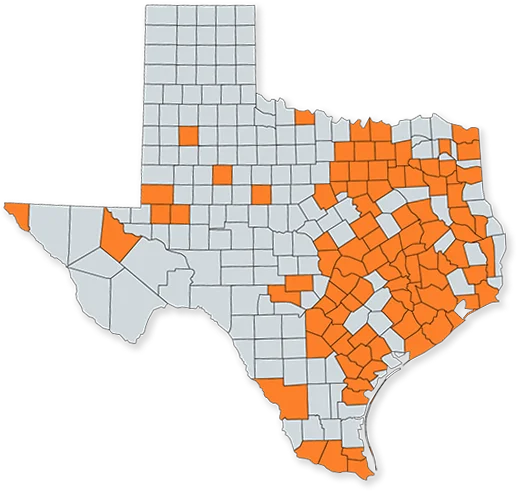
We serve clients throughout Houston, Dallas, and Austin.
Who Can Remove an Executor From an Estate in Texas?
 Unfortunately, not just anyone can make such a request of the probate court. The state has limits on who can request an independent executor to be removed from an estate.
The executor generally operates with minimal oversight from the court, as opposed to a dependent executor. Only those who are considered interested persons can make a request for executor removal, but the state limits who may be considered an interested person.
Legally, an interested person is anyone, individuals or business entities alike, who has a direct financial stake in the estate and the subsequent probate process. Only the following people may be considered legally interested persons and request the removal of an executor:
- Beneficiaries: Anyone who is named in the last will and testament as a beneficiary may be considered an interested person. They may be set to inherit from the estate, so they would have the most obvious stake in seeing the estate managed correctly.
- Heirs: If there is no will in place and the Texas intestate succession laws apply, those who are legally the next in line to inherit may be considered interested persons. If the court-appointed executor is misusing their power over the estate, the legal heirs will definitely want wrongs to be righted promptly.
- Creditors: Before the estate can be divided among the heirs and beneficiaries, any outstanding debts must be paid to creditors. Anyone who holds a valid legal claim against the estate for outstanding debts is considered an interested person. If the executor is ignoring creditor claims, the creditors may seek their removal to make sure those debts are paid.
Legally Valid Reasons for Removing an Executor in Texas
 If you are going to push for the removal of an executor from an estate in Texas, you are going to need a valid reason. Personal feelings of animosity are not enough to make such a significant legal change happen.
If you need to remove an incompetent, negligent, or untrustworthy executor, you must have a strong legal basis for doing so. Several types of legal grounds can apply here, including:
Mismanagement or Misconduct
Executors are expected to do only what’s in the interest of the estate and the designated beneficiaries. Any actions that directly contradict that interest may be considered an act of misconduct or mismanagement, depending on the action itself.
At that point, the court may have to consider removal as a viable option. Examples of such mismanagement or misconduct can include:
- Stealing: Obviously, stealing from the estate is considered grounds for removal. An executor cannot dip into the estate to take assets for their own personal use or settle their own debts. If they are found to be doing so, that can be enough to open an investigation for removal.
- Self-Dealing: If the executor is making decisions regarding the estate that benefit the executor directly at the expense of the beneficiaries, that can be grounds for removal. Above all, the executor has to do what’s right by the estate and the beneficiaries.
- Failure to Distribute: The executor is required to abide by the terms of the last will and testament if there is one in place. If they fail to distribute assets to the beneficiaries via the terms of the will, that could be considered grounds for removal. If they decide to delay the distribution, they need a legally valid reason.
- Reckless Financial Decisions: It’s never a good idea to be reckless with somebody else’s money. Ultimately, the money in question does not belong to the executor. They are simply holding it for the beneficiaries. If they make reckless investments or fail to maintain the estate property, that can be grounds for removal.
Failure to Follow Court Orders
A situation may arise where the executor is not acting out of malice or dishonesty, but they have still failed to meet their required legal responsibilities. In those cases, it may be in the interest of the estate itself to have that person removed from their position as executor.
Examples of a failure to follow the court’s orders may include:
- Failure to File: To do their job properly, the estate’s executor has to provide the court with an inventory of the estate assets, financial records, outstanding debts, and anything the probate court needs to know to settle the estate. If they fail to file or miss crucial deadlines, the court may need to revoke their position.
- Ignoring the Court: Ultimately, the probate court has final say over the estate. If a probate judge gives the executor an order to take action and the executor refuses or ignores the order, the court may step in and remove the executor.
- Incapacity: It may emerge that the executor is, in fact, mentally or physically unfit to perform their duties concerning the estate. If that happens, the court may have to remove them out of necessity.
The Legal Process of Removal
Removing an executor is a complex legal process. It involves several steps, all of which must be carefully conducted for the case to succeed. Before an executor can be removed, you must demonstrate a valid reason for removal.
Gather Evidence
To begin, you will need to collect evidence that supports your claim that the executor is mismanaging the estate or breaking the law. That evidence may include:
- Bank statements
- Emails that show the executor’s unwillingness to do their job correctly
- Financial records that show a withdrawal of estate funds for personal use
File a Petition
Once you have gathered enough evidence, you need to file a petition with the state probate court that is overseeing the estate. The petition must include:
- The evidence for removal
- Proof that you are an interested person
- The reasons why you are pursuing removal
Notify the Executor
After the petition is filed, the executor will be notified of the removal proceeding. They will be given a chance to respond, refute the claims, and argue their case. If they are trying to hide something, they may try to delay the process.
Court Hearing
The final step is a formal hearing before a probate judge. Both parties will make their arguments, and the judge will decide if the executor should be removed. If they are removed, they may then be replaced.
Schedule a Confidential Consultation Today
Removing an executor from an estate is a serious legal challenge—and one that requires strong evidence, strategic legal knowledge, and courtroom experience. If you’re concerned that the executor of an estate is failing in their duties, acting dishonestly, or mismanaging assets, it’s essential to act quickly—and with the right legal team at your side. Delay can cause assets to be lost, misused, or depleted.
At Ford+Bergner LLP, we’ve successfully handled removal cases across Texas, representing beneficiaries, heirs, and co-executors alike. While the process is never simple, the right attorney can make all the difference.
Reach out to us at 713-260-3926 or contact us online to speak to someone from our firm today.
Ford + Bergner LLP
Trusted Probate And
Estate Planning Solutions
How Can We Help?
Fields marked with an * are required

Follow Us On
Connect With Us
Connect With Us
© 2026 Ford + Bergner LLP. All Rights Reserved.
