
Failure to Properly Terminate a Trust and Distribute the Assets in Texas
 All trusts have an end date, known as the “termination” date. At the point that a trust terminates, the assets remaining in the trust are required to be distributed to one or more of the beneficiaries. When a trust isn’t properly terminated or its assets aren’t distributed correctly, it can lead to confusion, frustration, and sometimes costly legal battles.
At Ford + Bergner LLP, based in Texas, we understand how important it is for trusts to be closed correctly and for assets to be handled with transparency and fairness.
If you find yourself tangled in this kind of situation, contact us today at 713-260-3926 to schedule a consultation.
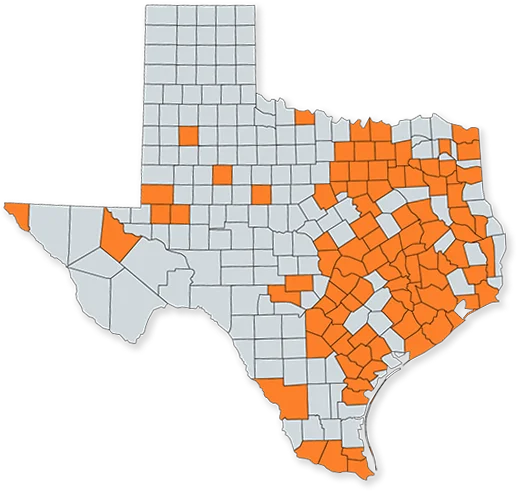
We serve clients throughout Houston, Dallas, and Austin.
What Does It Mean to Properly Terminate a Trust?
A trust allows one party (the trustee) to hold and manage assets on behalf of someone else (the beneficiary). The goal is to protect those assets, make sure they’re used as intended, and ultimately distribute them according to the terms laid out in the trust document.
However, a trust isn’t meant to last forever. At some point, the trust should come to a close, and the assets should be passed along to the rightful beneficiaries.
Proper termination means following the terms of the trust, state law, and accounting for all assets, debts, and taxes before fully distributing the property and officially ending the trustee’s duties. At Ford + Bergner LLP, we ensure this process is done right since it helps bring closure to everyone involved and respects the wishes of the person who set up the trust.
Common Reasons Trusts Get Stuck or Mismanaged
Trusts are designed to provide clarity and security, but sometimes the process of managing and closing them hits a snag. When a trust gets stuck or mismanaged, it can leave beneficiaries frustrated as assets are tied up longer than anyone expected.
In general, trustees are expected to distribute assets within a reasonable period after the trust terminates, often within nine months, unless there are justifiable delays such as unresolved debts or tax matters.
In some cases, delays may stretch far beyond what is reasonable. For example, we have seen situations where a trustee failed to distribute trust assets for more than 13 years after termination. These kinds of delays not only undermine the trust’s purpose but may signal potential mismanagement or misuse of assets.
Frequent reasons trusts aren’t properly terminated or assets aren’t distributed include:
- Trustee inaction or delay. Sometimes, a trustee might delay closing a trust due to confusion, personal reasons, or a misunderstanding of their duties.
- Disputes among beneficiaries. Disagreements about who should receive what or how the trust assets should be handled can cause delays.
- Incomplete or unclear trust terms. If the trust document is vague or outdated, it could be difficult to interpret when and how to distribute assets.
- Unresolved debts or taxes. The trust must settle any debts and taxes before final distribution, and if these aren’t accounted for, termination could be postponed.
- Failure to provide proper accounting. Trustees are required to give all beneficiaries a clear accounting of the trust’s assets and expenses. If there’s a lack of transparency, this could stall the process.
Whether it’s a delay by the trustee, disputes among beneficiaries, or unclear instructions, identifying the root cause allows for targeted solutions. At Ford + Bergner LLP, we’re ready to help you navigate these challenges, protect the value of the trust, and work toward ensuring assets are distributed fairly and efficiently.
The Consequences of Improper Trust Termination
 Not properly closing a trust or mishandling how the assets are distributed can create a lot of problems. It often sparks disputes between beneficiaries and trustees, and beneficiaries might start doubting whether the trustee is handling things responsibly.
On top of that, if a trustee isn’t doing their job right, like acting beyond their authority, wasting trust assets, or ignoring the interests of the beneficiaries, they could be held personally responsible for any losses.
Beyond the legal issues, we understand that these delays or mistakes can put a real strain on beneficiaries who depend on those assets. It might mean putting off big life decisions, like buying a house, paying for school, or covering medical bills.
What Can Be Done When a Trust Isn’t Properly Terminated?
When a trust isn’t properly terminated, beneficiaries can be stuck and unsure of what will come next. Whether it’s due to delays, disputes, or a trustee not fulfilling their duties, knowing your options is key when trying to move things forward.
There are several steps you can take to help get the trust back on track and ensure that the assets are distributed as intended.
These steps can include:
- Request a formal accounting. Beneficiaries have the right to ask the trustee for a detailed report of the trust’s assets, expenses, and distributions. This can clarify what’s been done and what is still outstanding.
- Communicate openly with the trustee. Sometimes, issues develop from a simple lack of communication. Directly addressing these concerns can resolve any misunderstandings.
- Seek mediation. If disputes among beneficiaries or between beneficiaries and the trustee persist, mediation could be a less adversarial way to find common ground. If you’re dealing with a trust that’s stuck or having trouble getting the assets distributed
- Petition the court. When trustees refuse or fail to act, beneficiaries can take legal action to compel termination, remove the trustee, or seek damages.
If you’re facing challenges with a trust that hasn’t been properly closed, you don’t have to navigate it alone. Ford + Bergner, LLP can guide you through the process, helping you understand your rights while determining the most favorable path forward.
With experience in handling trust disputes and terminations under Texas law, we’re here to help protect your interests and work toward a fair resolution.
How Ford + Bergner, LLP Approaches Trust Termination Issues
At Ford + Bergner LLP, we understand that trust issues aren’t just legal matters; they’re about families, memories, and the legacies people want to protect. We take the time to listen and work closely with you to safeguard your interests while respecting what the trust was meant to accomplish.
If you’re dealing with a trust that’s stalled or facing delays in distributing assets, we can start by carefully going through the trust documents and any related communications to figure out what’s holding things up. From there, we can help you understand your rights and options, whether that means negotiating behind the scenes or, if necessary, stepping into court.
Our aim is to reach a solution that keeps conflict and costs to a minimum so you can move forward with confidence and peace of mind.
Speak With the Team at Ford + Bergner, LLP Today
Matters surrounding the failure to terminate a trust are often sensitive and complicated but having trusted legal guidance by your side can make a significant difference when it comes to protecting your interests and restoring order.
Contact Ford + Bergner, LLP at 713-260-3926 today to schedule a consultation.
Ford + Bergner LLP
Trusted Probate And
Estate Planning Solutions
How Can We Help?
Fields marked with an * are required

Follow Us On
Connect With Us
Connect With Us
© 2026 Ford + Bergner LLP. All Rights Reserved.
