
Houston Estate and Guardianship Litigation Attorney
 Estate, trust, and guardianship law can often be complicated because the issues are so unique. However, they are also critically important to the lives of those involved and, therefore, are taken seriously. Often, they involve an emotional element because they are so deeply intertwined with family dynamics and, particularly in the case of estate issues, may involve the recent passing of a loved one.
With all that’s wrapped up in these matters, it’s not surprising that there is a tendency for cases to turn contentious. Disputes surrounding these matters are fairly common. In some cases, the disputes may be resolved amongst the parties involved without outside involvement. However, sometimes, finding a solution may only be possible through the process of litigation.
If you find yourself involved in litigation regarding these issues, it’s important to have strong legal representation on your side. At Ford + Bergner LLP, our talented estate litigation attorneys are prepared to represent your interests and make a strong case they can for your position. Contact our Houston litigation team at 713-260-3926.
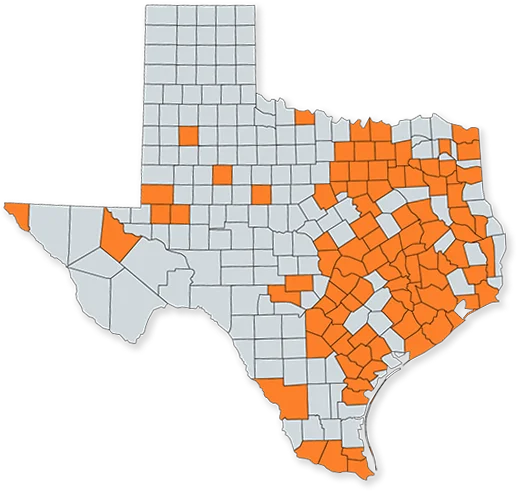
We also provide estate and guardianship litigation in the Dallas and Austin areas.
Estate Litigation
The process of evaluating and distributing someone’s estate after they pass can be particularly challenging. Probate provides some structure, but it’s easy for the details involved to quickly become controversial. It’s possible for disputes to arise at almost any point in the process, and it’s crucial to have a probate litigator to work with if you find yourself caught up in a conflict.
The Validity of the Will
One of the most common forms of probate litigation involves questions surrounding the validity of the will. The will dictates much of what happens in probate. One of the quickest ways to negate something a will indicates is to have it rendered invalid. Generally, there are a few standard grounds on which the claim is made that a will is invalid:
- Lack of Capacity. In order for a will to be considered valid, the decedent will need to have had sufficient capacity to make the decisions involved. If someone can prove that this was not the case at the time of the signing, they may be able to have the will invalidated.
- Undue Influence. A will must be based solely on the desires of the decedent. Undue influence occurs when someone persuades the decedent to alter the will in a way that doesn’t reflect the decedent’s desires.
- Does Not Meet Legal Requirements. In Texas, a will must be in writing and signed by two witnesses. Those who are under 18 cannot create a valid will.
Opposing an Executor
 The executor of a will plays an important role in the probate process and has some influence on how important issues will be handled. However, there is sometimes a concern that the executor may not be able to treat people fairly during the process and could be biased in their decisions. In these situations, usually with the help of a probate litigation lawyer, someone may attempt to have the potentially untrustworthy person barred from acting as executor.
Removal of an Executor and Administrator
Whether through honest error or intentionally, there are times when the executor or administrator of an estate fails to properly perform the task for which they’ve been hired. When this occurs, the benefactors or other interested parties may be able to have that person removed. However, it’s important that there be sufficient grounds for the removal, which are described in the Texas Estates Code. If you have concerns regarding the conduct of an executor, it’s critical that you speak with an estate probate lawyer.
Recovering Money Lent by an Estate
Sometimes, a decedent may have lent another person money that rightfully belongs to the estate. If the party who owes the funds is unwilling to return the money, litigation could be involved in attempting to seek the repayment of the loan.
Pursuing an Accounting of the Estate’s Assets
If there are concerns regarding how an executor or administrator is handling the estate, looking at their accounting may be helpful. One of the duties of an executor is to keep a thorough account of what they’ve done on behalf of the estate. They have a fiduciary duty to the estate and its benefactors, and clear accounting can demonstrate that they have adhered to their responsibility.
Accounting can often be the deciding factor in litigation against the executor of an estate. For this reason, seeking the accounting of an estate may often precede additional action against the executor if it reveals anything out of place. If an executor resists providing their accounting, then litigation may be necessary to have the courts compel them to provide it.
Creditor Claims Against an Estate
 Part of the probate process is allowing creditors to seek repayment for debts that were owed by the decedent. The process of seeking these debt repayments can often be particularly complicated. It’s easy to mistakenly fail to follow proper procedures when seeking debt repayment, which is why it’s important to work with an experienced Houston estate litigation lawyer.
Trust Litigation
Trusts are useful estate planning tools that can often be used to avoid some of the downsides that come with the probate process. They also allow more control over how and when assets are distributed, as stipulations can be put on the way property is handled.
Generally, there is less room for disputes and contention with a trust, as probate is unnecessary. Therefore, the administration is not public and can occur much more quickly. However, there are still some potential sources of conflict that can lead to litigation.
Termination of a Trust and Distribution of Assets
A trust will have a date or an event at which it should be terminated. At that point, it’s the responsibility of the trustee, who has been charged with managing the assets in the trust, to terminate the trust and distribute the assets according to its rules. However, there are times when this process can be delayed, and it becomes necessary to work with an attorney to ensure the assets are distributed properly.
Trustee Accounting
One of the roles of a trustee is to keep an account of the trust’s assets and how the trust has used or spent those assets. They are also required to be able to present this account to beneficiaries, either on a scheduled basis according to the rules of the trust or when a beneficiary makes a request to see the account.
The Texas Trust Code provides rules regarding how this accounting must be done and what it must show. Failure to properly provide an account in the allotted time could lead to litigation, where the court compels the trustee to provide it.
Trustee and Beneficiary Disputes
There are a number of different ways that litigation can arise between a trustee and beneficiary. Typically, though, this is a result of a beneficiary feeling that a trustee has not managed the assets of the trust properly or according to their desires. Importantly, if the trustee is determined to have acted properly, the attorney’s fees from defending the trustee will be paid out of the trust, reducing what may be later available to the beneficiaries.
Guardianship Litigation
Guardianship is the process that establishes an individual to care for another person who lacks the capacity to do so. This could involve a minor child, an adult who is impacted by the effects of age, or a person with a disability. Someone could be named to act as a guardian for the person’s health and well-being, and someone else could be established as the guardian of the person’s financial interests.
There can be a variety of issues that may need to be sorted out through litigation, whether brought by the guardian, the ward or intended ward, or someone acting in the interest of protecting the vulnerable person involved.
Objecting to Having a Guardian
It’s not uncommon for someone to object to the idea of needing a guardian. Generally, the objection to this may be upheld if the person objecting can prove one of two things. They may try to demonstrate that they don’t have a need for a guardian despite what others may claim. They may also show a guardian is not necessary because they have other tools and plans, such as a power of attorney, in place to address the issues that could arise.
Disputing Medical Evidence
To ensure that people’s rights are protected, guardianships cannot be established unless there is medical documentation regarding both the fact that someone is incapacitated and the extent of incapacitation. While there is a standardized format for doctors to report their assessment of a person’s incapacitation, it’s possible that when multiple opinions are sought, doctors may disagree.
When two doctors disagree or a doctor who does not specialize in the area of concern gives his or her assessment, the outcome may be the need to litigate. For instance, not having a geriatric psychiatrist or neurologist assess mental capacity concerns and instead receiving a statement from a general practitioner could be insufficient.
Family Disputes Regarding Who Should Be Guardian
Unfortunately, one of the ways guardianship litigation often becomes necessary is when families disagree about who should serve as guardian for the loved one. Jealousy, mistrust, and family history can trigger disputes, and often, the court will be needed to step in and decide how the issue of guardianship should be addressed. Typically, there will be an attempt to show that someone else in the family, such as a sibling, is unfit to serve as the guardian, often of an aging parent.
Removal of a Guardian
There are times when someone who is tasked with acting as the guardian for another person fails to properly perform the job they were tasked with doing. In some cases, this could simply be a mistake, as a guardian is tasked with a lot in addition to managing their own life. In other cases, though, a guardian may have done something nefarious, which warrants removal.
The Texas Estates Code provides the grounds on which a guardian can be removed. When sufficient grounds exist, the person who is cared for may bring litigation seeking removal, but another interested party who is aware of the situation could also initiate proceedings, such as a doctor or another caretaker.
File A Probate, Trust, or Guardianship Litigation Case In Texas
If you plan to file a probate, Trust, or guardianship litigation case in Texas, or you have questions about who would be an interested person or what county the case should be filed, talk to an attorney experienced in this area of law. Ford + Bergner LLP attorneys are highly experienced with trust, guardianship, and probate litigation and would be glad to help with your case. Contact us via email or call 7132603926 to protect your interests.
Fiduciary Litigation
Fiduciary litigation could be necessary when it’s asserted that someone with a fiduciary responsibility has failed to uphold their duty and act in the best financial interests of the person whose assets they’re managing. Some of those who could be involved in fiduciary litigation include guardians, trustees, executors, and administrators.
Alternatives to Litigation
As the demands for litigation increase the burden on the court system, even those with a dedicated probate court, there is a growing push by the courts to encourage disputing parties to attempt to use mediation to resolve their issues. Mediation eases some of the caseload that the courts face.
This route can often be a better option for the parties involved since it is usually a more cost-effective option and is typically resolved more quickly than a court battle. However, mediation is not useful in every case. Litigation is sometimes necessary to achieve the ideal outcome.
Count on Ford + Bergner LLP for Help With Litigation
At Ford + Bergner LLP, we are prepared to help with some of the most complicated and challenging litigation issues surrounding the matters of estates, trusts, and guardianship. As a boutique firm with a focus on these issues, we are always prepared for the complexities and challenges they often involve. Our team understands both the legal nuances and the emotional struggles that can exist in these cases.
Our team is made up of some of the finest, most reputable lawyers in the state. Our objective is to represent you properly and pursue your interests aggressively. Our team of attorneys is prepared to make your strongest cases before the court, but if alternative dispute resolution is necessary, we also have significant experience in developing creative solutions during mediation. Contact our team today at 713-260-3926 to discuss how we may be able to help you.
Ford + Bergner LLP
Trusted Probate And
Estate Planning Solutions
How Can We Help?
Fields marked with an * are required

Follow Us On
Connect With Us
Connect With Us
© 2026 Ford + Bergner LLP. All Rights Reserved.
